1942 — Present

A corner drug store, 31 companies, and 99 closings.

The advisory practice is the second half of the story. The first half was running the businesses.

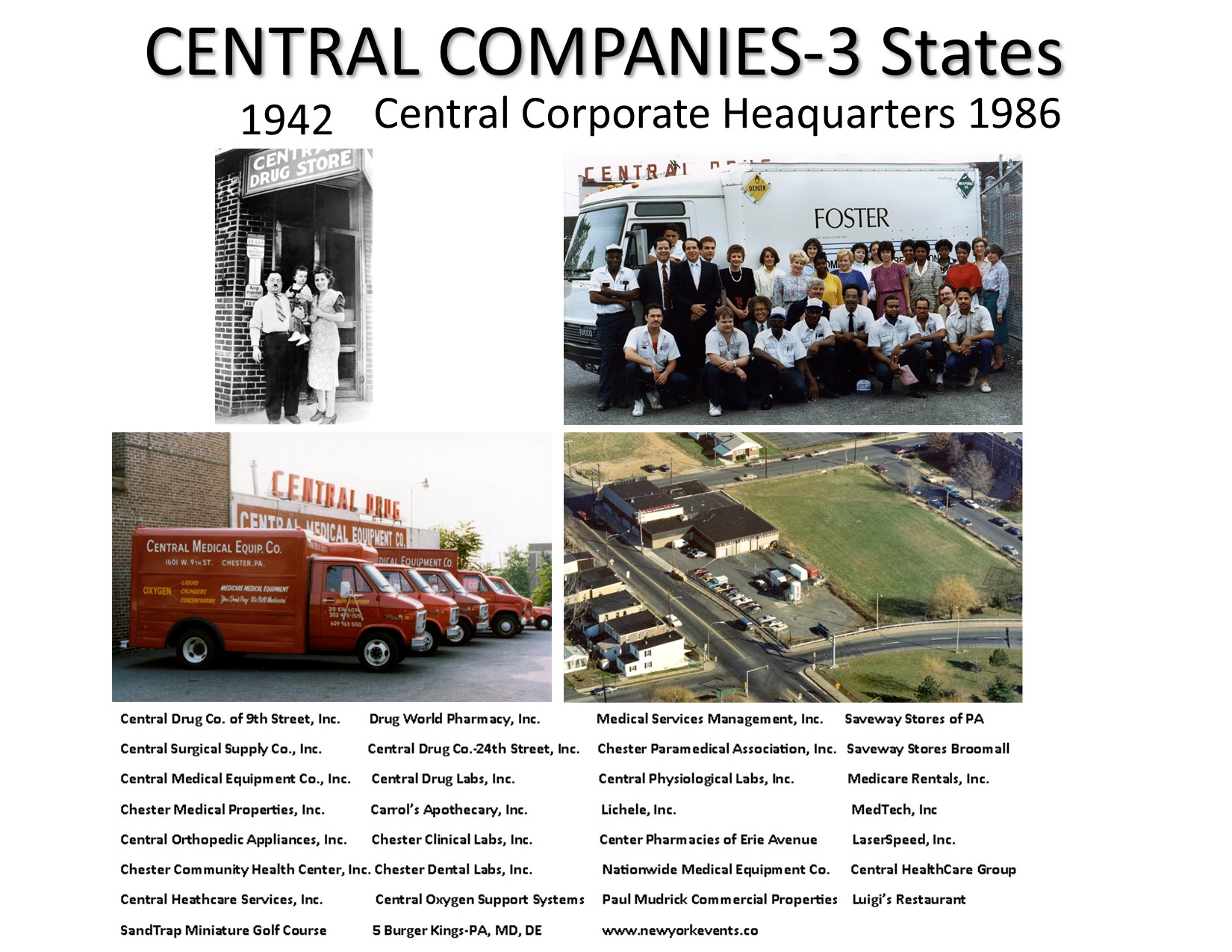
Central Companies archival photographs and the list of 31 portfolio companies
Central Drug Store, 1942, and the Central corporate headquarters, 1986.
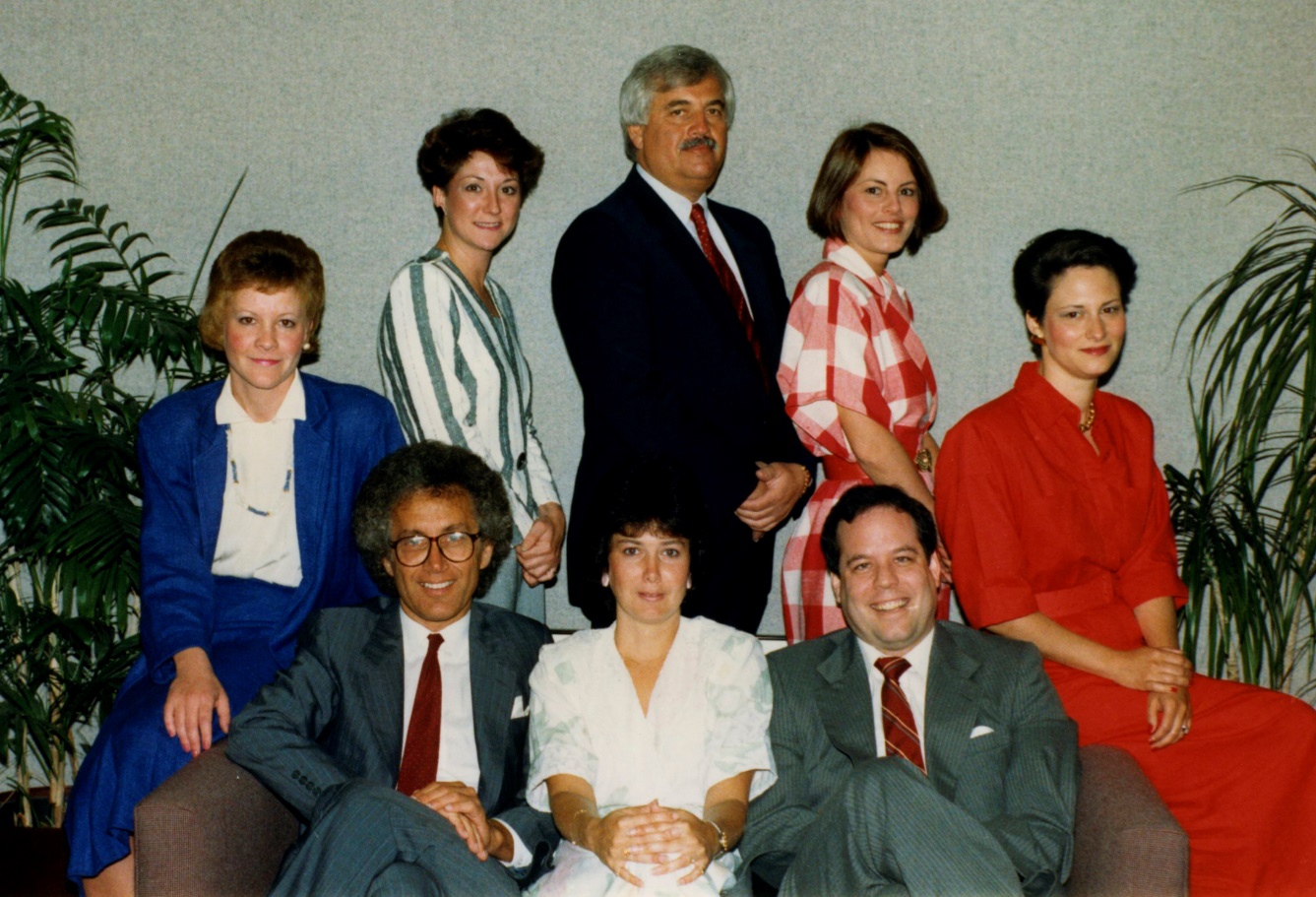
The eight-member Central Companies marketing team, including registered nurses and dietitians
The marketing team: eight members, three with direct patient experience as registered nurses or dietitians.

1960 – 1983

Thirty-one companies, three states

Paul Mudrick led the marketing effort across three states for the 31 portfolio companies of the Central Companies group — pharmacies, medical equipment, surgical supply, clinical and physiological labs, home oxygen, paramedical services, community health and dental clinics, and the properties that housed them.

Careful study of the data pointed to one conclusion: the most effective way to reach a potential customer in healthcare was to speak to them through people who had actually cared for patients.

Within two years

A marketing team hired for sector expertise

The team grew to eight. Three members had direct, face-to-face patient experience as registered nurses or dietitians. Two others brought academic backgrounds in business — including a Wharton graduate — and in the sciences. A Marketing Vice President was appointed to lead the initiatives alongside him.

It was a customer-centric team before the phrase existed, and it changed how the companies were positioned to patients, physicians, and referral sources alike.

By 1990

Consolidation, then a clean exit

With the marketing organization in place, the next step was consolidating the portfolio. Twenty-five of the companies were consolidated and sold to three NYSE-listed corporations. Leadership of the remaining healthcare company passed to his daughter.

1990 – today

Central HealthCare Group

He founded Central HealthCare Group, a boutique investment banking firm in Philadelphia, to put the operating experience gained inside the Central Companies to work for other healthcare business leaders.

The practice has always been deliberately quiet — working alone, without the distraction of social media or a website — and has closed 99 transactions in 33 years for private, public and non-profit companies, representing an aggregate transaction value of more than $703 million.

In the press

“All in the family” — HME News

HME News reported on the sale of Central Healthcare Services to Lincare — a company Paul Mudrick had sold once before, in 1986, and which his daughter Karen revived in 1994, adding adult respiratory services to its pediatric respiratory business.

“It was a feather in her cap to sell to Lincare because it is one of the best companies in the United States.”

The article also noted that Karen sold the company for forty times what two shareholders had been willing to accept in the early 1990s, when the business lay dormant.

Read the article on HME News →